
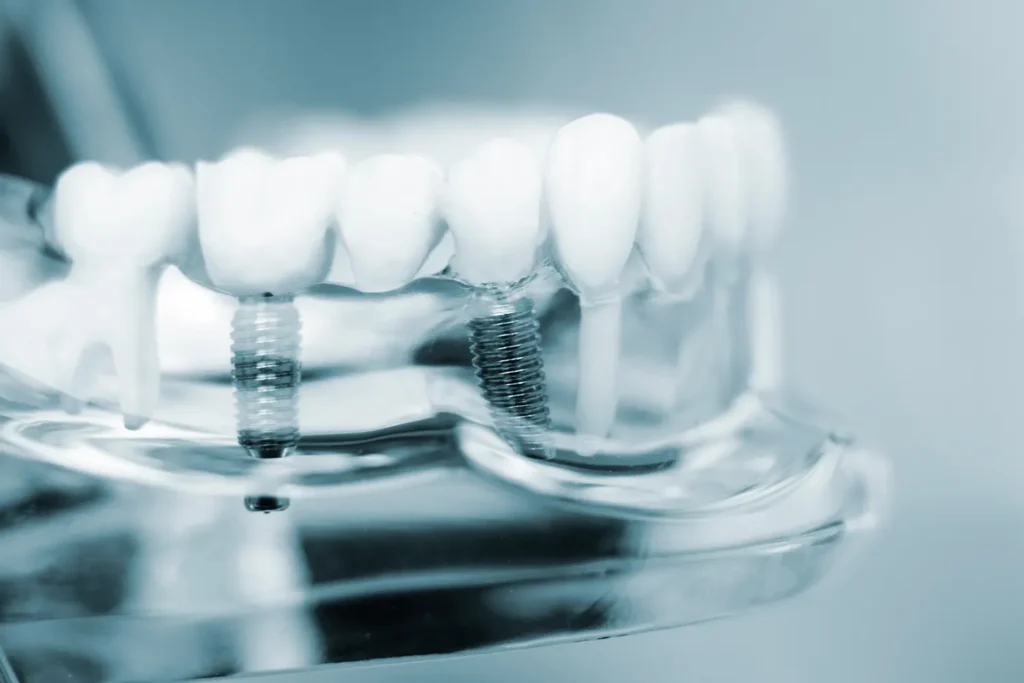
Undergoing dental implant surgery is a significant step towards achieving a healthier, more confident smile. However, the recovery process is crucial for ensuring the long-term success of your implants. One of the most common questions patients have post-surgery is, “What can I eat?” Eating the right foods not only aids in a smoother recovery but also helps in minimizing discomfort and promoting healing.
In this blog, we’ll guide you through the dietary do’s and don’ts following your dental implant procedure.
Immediate Post-Surgery Diet
In the first 24 to 48 hours after your dental implant surgery, your diet should consist of soft, easy-to-chew foods to avoid putting pressure on the implant site. Consider the following options:
- Broths and soups (ensure they are not too hot)
- Mashed potatoes or sweet potatoes
- Yogurt or pudding
- Applesauce
- Protein shakes or smoothies
These foods provide essential nutrients without the need for excessive chewing, helping you stay nourished while your mouth begins to heal.
Foods to Avoid
To protect your new implants and the surrounding tissue, it’s important to avoid certain foods that could cause irritation or damage. Steer clear of:
- Hard or crunchy foods like nuts, chips, and raw vegetables
- Sticky foods such as caramel or chewing gum
- Spicy or acidic foods that may cause discomfort
- Alcohol and caffeine, which can impede healing
By avoiding these items, you reduce the risk of complications and ensure a smoother recovery process.
Transitioning Back to a Normal Diet
As you progress in your recovery, you can gradually reintroduce more solid foods into your diet. Typically, this transition begins about a week after surgery, depending on your comfort level and your dentist’s advice. Start with:
- Soft-cooked vegetables
- Soft pasta or noodles
- Scrambled eggs or omelets
- Soft fish like salmon or tilapia
Listen to your body and proceed at a pace that feels right for you, ensuring you don’t rush the process.
Long-Term Dietary Considerations
Once fully healed, maintaining a balanced diet is key to the longevity of your dental implants. Focus on foods that support oral health, such as:
- Dairy products for calcium and vitamin D
- Leafy greens for essential vitamins and minerals
- Lean proteins to support tissue repair
- Fruits and vegetables for overall health
A healthy diet not only benefits your implants but also contributes to your overall well-being.
Schedule Your Consultation in Annville
If you’re considering dental implants or have questions about your recovery process, the team at Annville Dental Group is here to help. We’re dedicated to providing personalized care to ensure your dental journey is a success. Contact us today to schedule your appointment and take the first step towards a healthier smile. We proudly serve the Annville, PA community and look forward to assisting you with all your dental needs.